Water Margin
The Water Margin — also titled Outlaws of the Marsh, or All Men Are Brothers in some English translations — is considered one of the four great classical Chinese novels. It was believed to have been first published sometime in the 14th century, making it one of the earliest Chinese novels to be written in the vernacular.
There are multiple versions of the novel, spanning 70, 100, or 120 chapters. Most of the differences among those editions are in the latter half of the book.
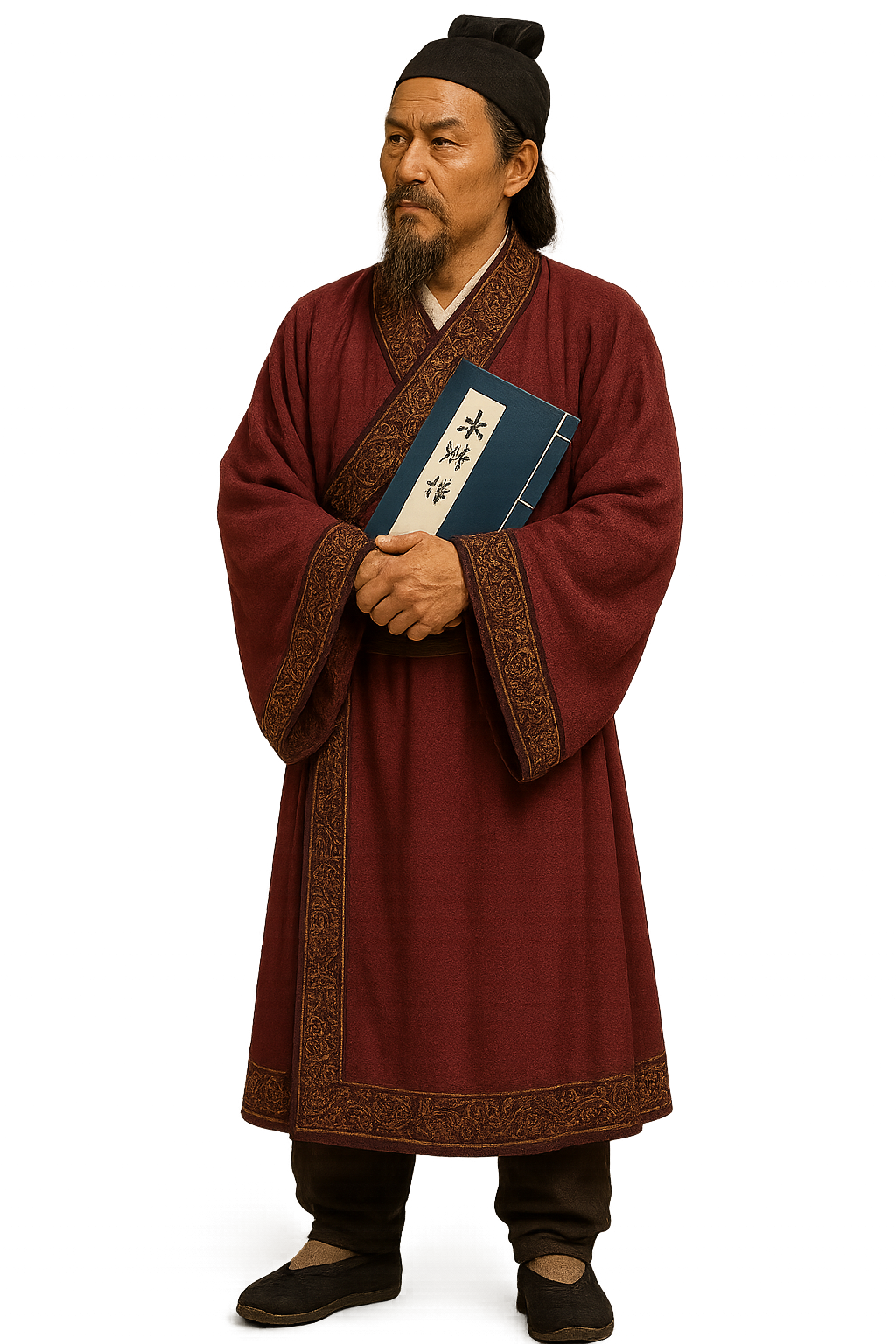
The book is commonly attributed to Ming Dynasty scholar Shi Naian (1296–1372). There is, however, some disagreement about authorship, with some believing that it was written, co-written, or edited by Luo Guanzhong, the author of the Romance of the Three Kingdoms.
Little is known about Shi Naian's life. He lived through the transition from the Yuan Dynasty to the Ming Dynasty. He served a losing faction during the power struggle that eventually culminated with the establishment of the Ming Dynasty. As a result, he was blacklisted from serving in the new government.
Sometime in the 1350s or 1360s, Shi Naian published The Water Margin and it quickly became popular. In one telling of Shi Naian's life, the novel drew the ire of the first emperor of the new dynasty due to its focus on outlaws and rebels who flaunted the government. That landed Shi Naian in prison for more than a year. After he was released, his health failed quickly, and he died before reaching home.
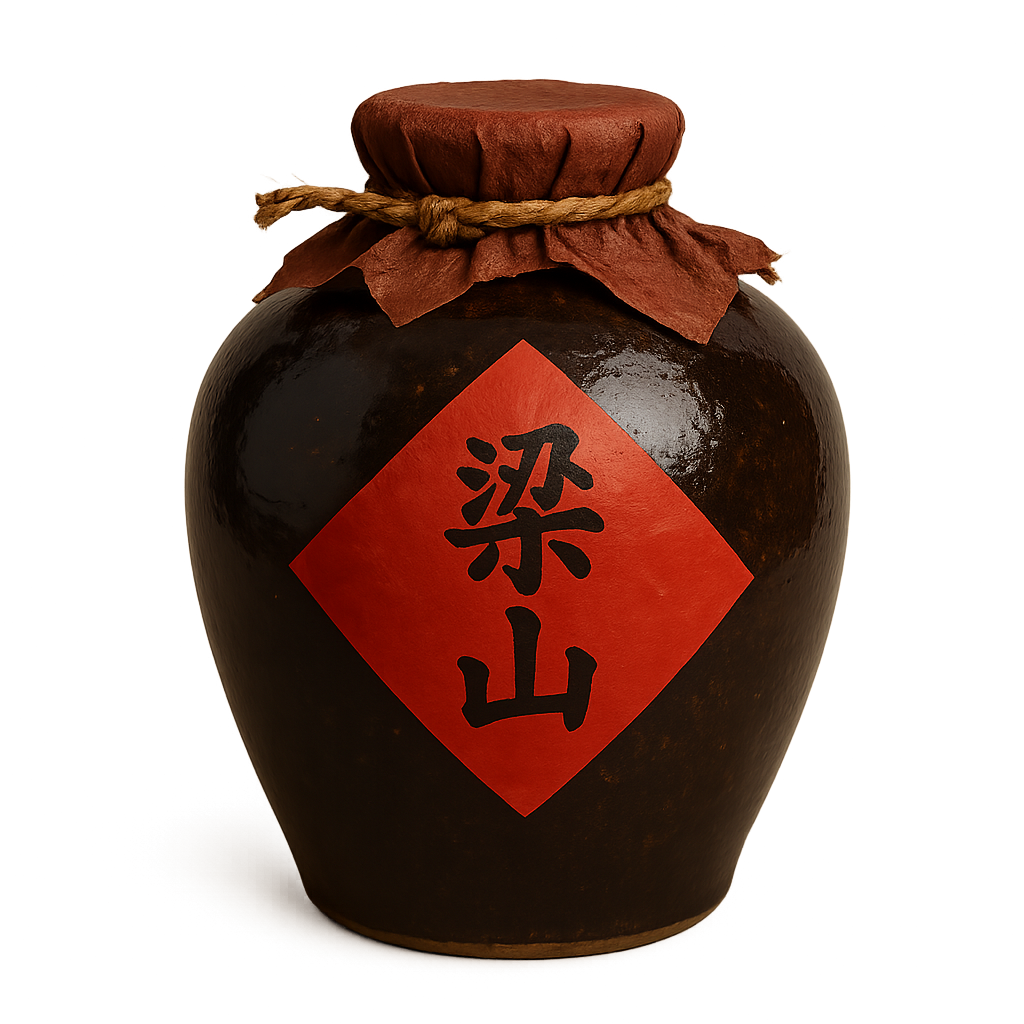
Set in the late Northern Song Dynasty in the 12th century, the novel follows the adventures of a group of outlaws and vigilantes. The book opens with a series of arcs focusing on individual characters’ journeys into banditry before all the threads converge on Mount Liang (or Liangshan). Along the way, the reader is treated to a vivid depiction of life across all levels of society.
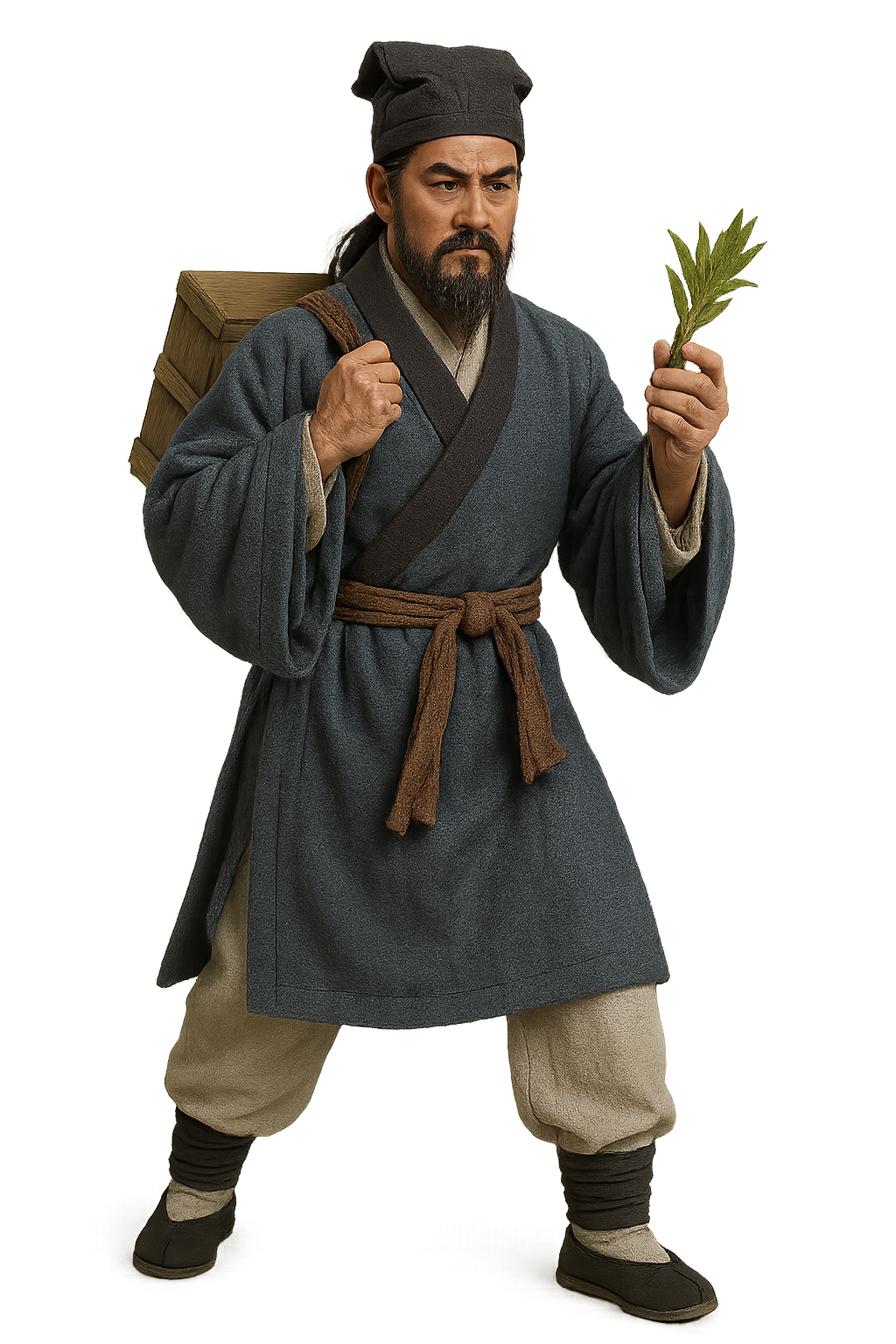
The novel is best known for its cast of 108 bandit chieftains. They all have their own intriguing backstories, special skills, and colorful nicknames, but are united by a shared sense of justice, a bias for (usually violent) action, and a love for great quantities of grain alcohol.